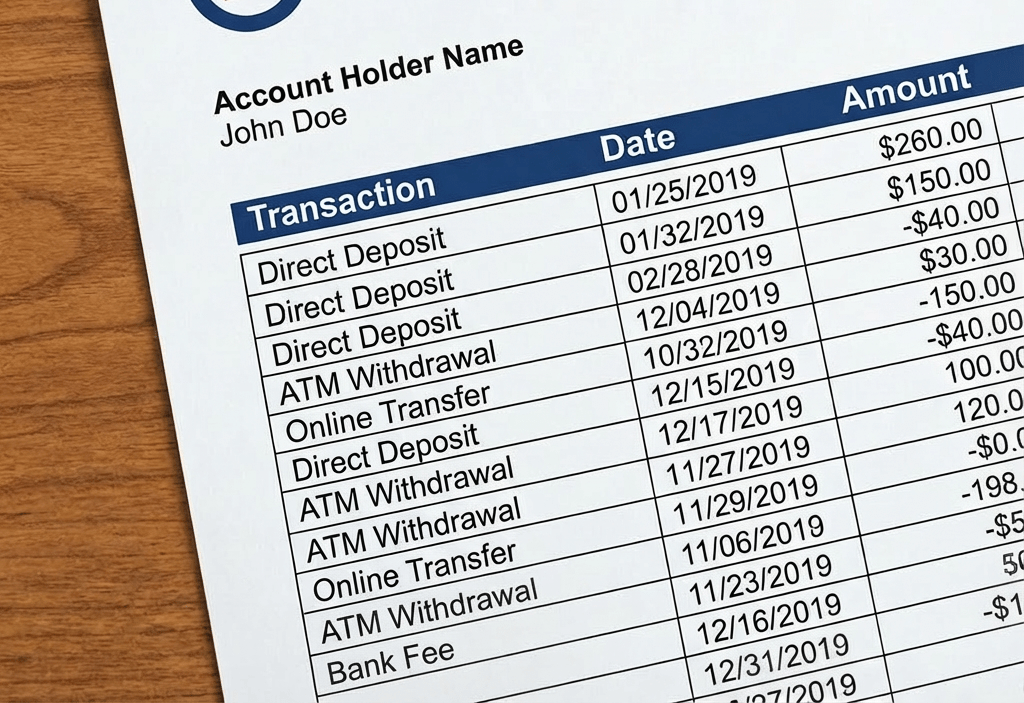
Monthly maintenance fees, overdraft charges, ATM fees—they can turn a simple checking account into a leaky bucket, quietly draining your cash. Many people accept these costs as a normal part of banking, but they are not. With a bit of knowledge and a few strategic moves, you can avoid them entirely and find a checking account that works for you, not against you. This is your guide to plugging the leaks.
The Most Common (and Costly) Fees to Watch For
Banks generate billions annually from fees that often catch customers off guard. The Monthly Maintenance Fee is the most notorious, typically ranging from $5 to $15. Banks may waive it if you meet certain conditions, but these requirements—like a minimum daily balance of $1,500 or a monthly direct deposit—effectively lock up your cash or dictate how you get paid.
The Overdraft Fee is the most punitive. If you spend more than your available balance, the bank may cover the transaction and hit you with a fee of $35 or more per item. A simple mistake with your debit card can quickly snowball into $100+ in charges within hours.
Other common drains include Out-of-Network ATM Fees (charged by both the ATM owner and your own bank, often totaling over $5 per withdrawal) and Minimum Balance Fees that trigger if your account dips below a certain threshold. Each fee may seem small in isolation, but together they can easily cost you $200 or more per year for the privilege of accessing your own money.
Your Right to a Truly Free Checking Account
The good news is that a truly free checking account—with no monthly fees, no minimum balance requirements, and no mandatory direct deposit—is not a myth; it’s a standard offering from many institutions. You have a right to keep your full paycheck without paying a toll to the bank.
The landscape for fee-free banking is dominated by two types of institutions. Online-Only Banks (like Ally, Discover, or Chime) operate without physical branches, passing the savings on to you. They almost universally offer checking accounts with no monthly fees, reimbursements for out-of-network ATM fees, and higher interest rates. Credit Unions are member-owned, not-for-profit cooperatives. Their focus is on serving members, not shareholders, which leads to lower fees, better rates, and often more lenient policies.
Traditional brick-and-mortar banks can offer free checking, but you must hunt for specific promotions or basic account tiers, often buried behind more lucrative (for them) premium offerings.
How to Avoid Fees at Your Current Bank
If you’re not ready to switch banks, you can still fight back against fees. Your first move should be to call and negotiate. Customer service representatives often have the authority to waive a monthly fee or refund an overdraft charge, especially if you are a long-standing customer. Be polite but firm. Simply asking, “Is there any way you can waive this fee for me?” can yield surprising results.
Next, meet the waiver requirements. If your bank charges a $10 monthly fee unless you have a $500 direct deposit, ensure your payroll is set up correctly. If it requires a $1,500 minimum balance, consider consolidating cash to meet it, but only if it doesn’t strain your finances.
Most critically, opt out of overdraft “protection.” Under federal law, you have the right to decline this service. If you opt out, transactions that would overdraw your account will simply be declined at the point of sale. While this may be momentarily embarrassing, it is infinitely cheaper than a cascade of $35 fees. This single action is the most powerful step to avoid punitive charges.
How to Find and Choose the Best Free Account
Finding the right account requires looking beyond the “free” label to the features that fit your life. Start by assessing your habits. Do you frequently use ATMs? Prioritize an account with a large, fee-free ATM network (like Allpoint or MoneyPass) or one that reimburses other banks’ ATM fees. Do you often need to deposit cash? An online-only bank may not be ideal unless it offers deposit-taking partnerships at retail stores.
Essential features to look for include a robust mobile banking app with mobile check deposit, real-time alerts for low balances, and seamless integration with payment apps like Zelle or Venmo. Also, consider whether the account pays interest—many online checking accounts now offer a small APY, turning your transactional cash into a tiny income stream.
Making the Switch: A Seamless Transition
Switching banks seems daunting, but a methodical approach makes it smooth. First, open your new free account while keeping your old one active. Next, update your automatic payments and direct deposits. This is the most crucial step. Make a list of every bill paid automatically (streaming services, utilities, loans) and your payroll department. Re-route these to your new account.
Then, transfer the bulk of your funds, but leave a small buffer in the old account for any stray charges. Use the new account for all new transactions. Finally, after one full billing cycle with no pending transactions, officially close the old account in writing and get a confirmation.
Your Action Plan for a Fee-Free Financial Life
Stop paying for the basics. Your action plan is straightforward:
- Audit your last 3-6 months of bank statements. How much are you paying in fees?
- Call your bank and request waivers or opt out of overdraft.
- Research online banks and local credit unions for a truly free account that matches your habits.
- Switch using the step-by-step process, starting with your direct deposit.
Banking is a service you use. You wouldn’t pay a monthly fee to use a grocery store. Don’t pay one to store and access your money. Take an hour this week to reclaim that cost and put your cash in an account that respects it.
Disclaimer: This article is for educational purposes only. Account features, fees, and interest rates are subject to change by the financial institutions. Always review the latest account agreement and fee schedule before opening an account.
 The FinanciaLogic
Leave a comment